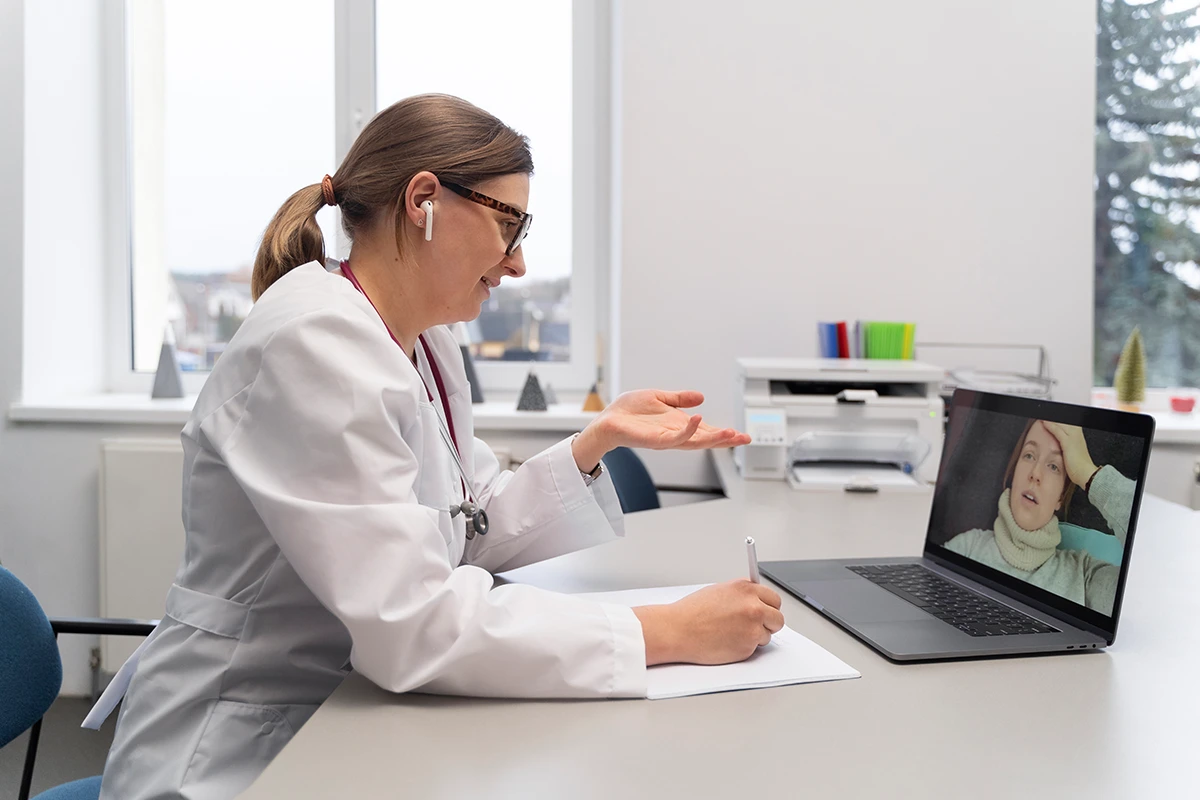

When the seasons change and bring a burst of pollen, or the cold winter signals the start of the flu season, local medical centres' waiting rooms rapidly become overcrowded. If you are experiencing a sore throat, congestion, or a spike in temperature, the thought of going to a clinic and sitting in a waiting room full of patients might be the last thing you want to do.
This is the time when digital healthcare shines the most. However, it's quite reasonable to ask: how can a doctor accurately diagnose and help if they don't have direct physical contact with the patient? First of all, it is important to determine what conditions after-hours doctors can treat via video or phone consultationbefore choosing the best way to recover from an illness.
For many viral infections and allergic reactions, telehealth is a very good option. There are, though, very clear limits of what can be done via remote care. In this article, we will discuss how doctors handle certain seasonal diseases when consulting online, what to expect in such a consultation, and the symptoms that definitely require a physical examination by a doctor.
Is It Possible for a GP to Manage Flu Cases through Online Consultations?
The quick reaction will be Yes. Telehealth is an excellent and very safe way to get advice from a doctor for most mild-to-moderate flu cases.
Although in a digital discussion, a physician must depend on a well-communicated history, experienced doctors have no problem assessing flu complaints in this way. A GP is capable of flu diagnosis by just asking a few carefully selected questions on various aspects of the fever, aches, and cough. With this verbal and visual assessment over the web camera, the physician can confidently make a diagnosis.
Generally, treatment for influenza focuses on managing symptoms rather than directly targeting the virus. An online doctor will steer you to good hydration, rest, and the use of simple analgesics. When you notify the doctor within the first 48 hours of symptom onset, they might also prescribe antivirals, which could help your recovery progress more quickly. Read our thorough instructions on handling medications after hours to learn more about remote prescribing.
Also, getting your flu-related queries answered via telehealth stops you from exposing other, often vulnerable people to the highly contagious virus in a physical waiting room. For the latest and most trustworthy information on the influenza virus and vaccination programs, visit the website of the Department of Health and Aged Care.
Here Is How To Manage Spring Allergies With A Virtual Doctor
Seasonal allergies like hay fever (allergic rhinitis) can be so severe and disabling that one can turn to a doctor for relief several times during one season. However, these conditions are hardly a reason for the doctor to insist on a physical examination. If you have itchy eyes, a runny nose, uncontrollable sneezing, and sinus pressure, but are not running a fever or experiencing body aches, a doctor can help virtually via video or phone.
During the consultation, the medical practitioner will guide you in identifying allergenic triggers in your surroundings by taking your geographic location and season into consideration. They can prescribe specific antihistamines, nasal corticosteroid sprays, or eye drops. Remote doctors can also give great advice to parents whose children are battling springtime sniffles. To see how to get quick kids' advice in these cases, check our after-hours care for kids.
For advice on safe use of allergy medications and to check for any national recall on specific over-the-counter treatments, contact the Regulatory Authority, which in Australia is the Therapeutic Goods Administration (TGA).
What is NOT Possible to do via Telehealth?
Even though telemedicine can do a lot, it is not a full replacement for physical clinic visits. The biggest drawback of telehealth for illnesses such as the flu is that you cannot have a physical examination.
A remote doctor will be unable to:
- Use a stethoscope to listen to your lungs to detect secondary infections, such as pneumonia.
- Thoroughly inspect your ear canals to diagnose an ear infection.
- Perform a throat swab to test for Strep throat or RSV definitively.
- Measure your oxygen saturation with a pulse oximeter (unless you own a medical-grade device at home).
Due to these diagnostic limitations, the doctor will always be careful and will caution the patient. If symptoms are not clear-cut or the patient's safety is compromised, a physical visit will be recommended. For a complete understanding of the limitations of virtual medicine, see the comparison between telehealth and in-person urgent care.
What are the Signs That Indicate It Is Time for an In-Person Visit?
It is crucial to recognise when it is time to stop the digital consultation and seek medical attention at a hospital or clinic. Sometimes, allergies and the flu can cause serious complications, especially in older adults, very young children and those with underlying conditions such as asthma.
It's time for you to address immediate medical attention (or call an ambulance) if you or your family member suffers from:
- Very difficult to breathe or breathing so fast yet shallow.
- Unrelenting chest pain or pressure.
- A very high temperature that persists even after taking medication for the fever.
- Disoriented, extremely sleepy, or cannot be woken up.
- Lips and face turn bluish.
Feeling unsure about the seriousness of the symptoms? Then familiarise yourself with the difference between when to call 000 and when to call after-hours care, which will most likely be a lifesaver. Remember, if you are faced with life-threatening distress, use telehealth only as a last resort.
Tips to Get the Most Out of Your Telehealth Appointment
Seeing as the doctor cannot touch you or hear your breathing directly, you must be the doctor's senses. Proper preparation on your part for your online consultation will help the doctor piece together a complete clinical picture, even without seeing or examining you in person.
- Measure Your Temperature: If you have a thermometer, take it immediately before the consultation. If you also have access to a blood pressure monitor or a smartwatch with a heart rate function, record those figures as well.
- Track Your Symptoms: Note the exact date/time of symptom onset, progression details, and symptom severity.
- Have Your Medications Ready: To make sure you mention any interactions or allergies to the doctor, keep a list of current medications, including supplements and over-the-counter allergy products, by your side.
- Check Your Technical Setup: Ensure that your webcam and microphone are functioning properly. A video consultation is by far more desirable than a phone call for assessing respiratory illnesses, as, in addition to hearing, the doctor needs to be able to see your breathing rate, body colour, etc. You can check our quick guide on the tech setup needed for a telehealth GP appointment to ensure a smooth connection.
After-Hours Latest Symptoms
It is not uncommon for fever and allergy symptoms to worsen during the night. When your regular family clinic is closed, 13CURE acts as a specialised safety net.
To maintain the highest standards of clinical care, we follow the strictest medical and billing guidelines:
- Operating Hours & Scope: 13CURE offers after-hours urgent care for truly urgent cases. Non-emergency cases are dealt with exclusively between 11 PM and 7 AM daily.
- Continuity of Care: Since severe allergies may require changes in the medication over long periods or even desensitisation, it is always better to visit your regular GP for non-urgent cases and chronic management.
- Targeted Bulk Billing: Only patients of a few partner practices deputised with 13CURE, infants under 1 year old, homeless individuals, and those from a disaster area are eligible for bulk billing.
- Private Billing: Private billing is the only method for all other patients outside of these vulnerable groups for our 11 PM to 7 AM urgent telehealth service.
- Medical Certificates: Flu might keep you out of work for more than a day. We only see urgent cases after hours, but for Medical Certificates and other documentation, we also see patients privately. These also come with private billing.
Geographic Service Availability
Our main focus is on providing urgent virtual care to communities in the regions where 13CURE provides active service. Currently, 13CURE is primarily based in a few regions of New South Wales and Queensland.
If you are here with flu symptoms late at night in Victoria, South Australia, Western Australia or the Northern Territory, you can rest assured that we will start providing services in those areas in the future and keep you updated. This will prevent any future compliance issues.